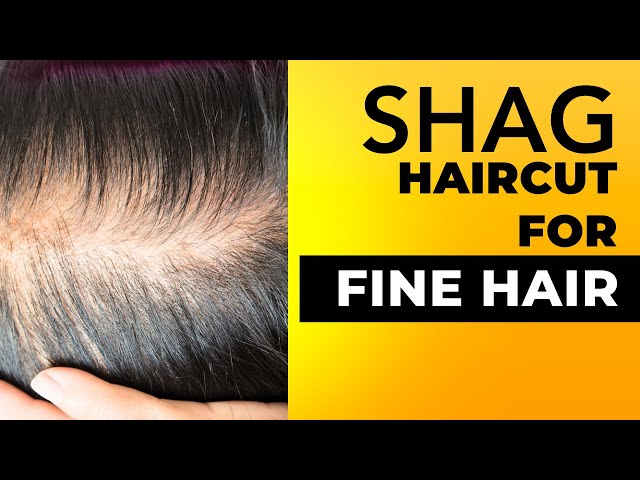
A "shag haircut for fine hair" is a layered hairstyle characterized by its choppy, textured layers that add volume and movement to fine hair. Think Meg Ryan in the 1993 film "Sleepless in Seattle".
This haircut has become popular because of its ability to create volume and movement in fine hair, making it ideal for those seeking a fuller, more voluminous style. Its origins can be traced back to the 1970s, when it was popularized by celebrities such as Farrah Fawcett and Jane Fonda.
In this article, we will delve into the benefits of a shag haircut for fine hair, explore different variations of the style, and provide tips on how to style and maintain it.
Shag Haircut for Fine Hair
When considering a shag haircut for fine hair, several key aspects come into play:
- Volume: Shag haircuts are known for adding volume and movement to fine hair.
- Texture: The choppy layers of a shag haircut create texture and definition in fine hair.
- Style: Shag haircuts can be styled in a variety of ways, from tousled and beachy to sleek and sophisticated.
- Maintenance: Shag haircuts require regular trims to maintain their shape and volume.
These aspects are all interconnected and contribute to the overall success of a shag haircut for fine hair. For example, the volume and texture created by the layers can help to make fine hair appear thicker and fuller. The style versatility of a shag haircut also allows it to be customized to suit individual preferences and face shapes. Regular maintenance is essential to keep a shag haircut looking its best, as the layers can become unruly if they are not trimmed regularly.
Volume
When it comes to "shag haircut for fine hair", the aspect of "Volume" plays a pivotal role. Shag haircuts are renowned for their ability to add volume and movement to fine hair, creating the illusion of thicker, fuller locks. This transformative effect stems from several key facets:
- Layered Structure: Shag haircuts feature multiple layers of varying lengths, which creates a stacked effect. This layering allows for increased air circulation at the roots, resulting in boosted volume.
- Textured Ends: The choppy, textured ends of a shag haircut add further volume by creating space between the hair strands. This prevents the hair from lying flat against the scalp, giving it a more voluminous appearance.
- Graduated Lengths: Graduated lengths, where the hair is shorter at the crown and gradually gets longer towards the ends, contribute to the overall volume of a shag haircut. This graduation creates a natural lift at the roots, enhancing the illusion of fullness.
- Styling Techniques: Blow-drying techniques such as using a root lifter or volumizing mousse can further enhance the volume of a shag haircut. Additionally, adding texture with products like hairspray or dry shampoo can create the appearance of even more volume and movement.
By incorporating these facets into the haircut, shag haircuts effectively address the challenge of fine hair, transforming it into a voluminous, enviable style.
Texture
In relation to "shag haircut for fine hair," texture emerges as a crucial aspect, with the choppy layers playing a pivotal role in creating texture and definition. These layers enhance the overall appearance of fine hair, lending it a more voluminous and dynamic look.
- Graduated Lengths: Graduated lengths, a hallmark of shag haircuts, contribute significantly to texture. The variation in length between the crown and ends creates a stacked effect, allowing for better air circulation at the roots. This results in natural lift and volume, giving the illusion of thicker hair.
- Piece-y Layers: Piece-y layers, another key feature of shag haircuts, further enhance texture. By separating the hair into distinct sections, these layers add definition and movement. The choppy, disconnected nature of the layers accentuates texture, creating a more visually interesting style.
- Choppy Ends: Choppy ends are a defining characteristic of shag haircuts and play a crucial role in creating texture. The intentional unevenness of the ends prevents the hair from lying flat, adding volume and movement. This choppiness creates space between the hair strands, giving the illusion of thicker, fuller hair.
- Styling Techniques: Styling techniques can further enhance the texture of a shag haircut. Using volumizing products, such as mousse or hairspray, can amplify the choppy layers and create even more texture and definition. Additionally, blow-drying techniques, like using a diffuser or root lifter, can add volume and enhance the overall texture of the haircut.
In conclusion, the choppy layers of a shag haircut are instrumental in creating texture and definition in fine hair. Through graduated lengths, piece-y layers, choppy ends, and strategic styling techniques, shag haircuts transform fine hair, giving it a fuller, more voluminous, and dynamic appearance.
Style
Within the realm of "shag haircut for fine hair," the aspect of "Style" takes center stage. Shag haircuts possess a remarkable versatility, allowing them to be adapted to diverse personal styles and preferences. This adaptability stems from several key facets:
- Tousled and Beachy: This styling approach embraces a carefree, effortless look, with loose, textured waves and natural movement. Tousled and beachy shag haircuts evoke a sense of laid-back glamour, perfect for casual outings or beach days.
- Sleek and Sophisticated: In contrast to the tousled style, a sleek and sophisticated shag haircut exudes a polished and refined appearance. The hair is typically straightened and styled with a serum or pomade to create a smooth, glossy finish. This style is ideal for formal events or professional settings.
- Voluminous and Layered: A voluminous and layered shag haircut focuses on creating maximum volume and movement. The layers are accentuated through blow-drying techniques and volumizing products, resulting in a dramatic and eye-catching style. This style is suitable for those who desire a fuller, more substantial look.
- Curls and Waves: Shag haircuts can also be customized to complement natural curls or waves. The layers help to define and enhance the curls, creating a dynamic and textured style. This approach is perfect for individuals who want to embrace their natural hair texture.
In essence, the styling versatility of shag haircuts empowers individuals to tailor their look to their personality and occasion. From tousled and beachy to sleek and sophisticated, the options are endless. Whether seeking a casual, polished, or voluminous style, a shag haircut can be adapted to suit diverse preferences and hair types.
Maintenance
In the realm of "shag haircut for fine hair," the aspect of "Maintenance" deserves particular attention. Shag haircuts, with their intricate layers and textured ends, require regular trims to preserve their intended shape and . Without proper upkeep, the haircut can lose its definition and become unmanageable.
-
Frequency of Trims
The frequency of trims depends on several factors, including the growth rate of the hair, the desired length, and the overall condition of the hair. As a general rule, shag haircuts should be trimmed every 6-8 weeks to maintain their shape and prevent split ends.
-
Split End Removal
Regular trims are essential for removing split ends. Split ends occur when the hair shaft becomes damaged and splits into two or more strands. They can make the hair appear frizzy and unhealthy, and if left unattended, they can travel up the hair shaft, causing further damage. Trimming off split ends helps to prevent them from spreading and keeps the hair looking healthy and polished.
-
Shape Retention
Trims are crucial for maintaining the shape of a shag haircut. The choppy layers and textured ends that define a shag haircut need to be regularly refreshed to keep their intended form. Without trims, the layers can become uneven and the ends can become blunt, resulting in a loss of volume and movement.
-
Styling Ease
Regular trims make it easier to style a shag haircut. When the hair is properly trimmed, it is more manageable and responsive to styling products. This makes it easier to achieve the desired volume, texture, and movement, whether you prefer a tousled beachy look or a sleek and sophisticated style.
In conclusion, regular trims are an indispensable part of maintaining a "shag haircut for fine hair." By addressing factors such as frequency, split end removal, shape retention, and styling ease, trims ensure that the haircut retains its intended shape and volume, allowing individuals to enjoy the full benefits and versatility of this stylish and flattering hairstyle.
Frequently Asked Questions about Shag Haircuts for Fine Hair
This FAQ section addresses commonly asked questions and clarifies important aspects related to "shag haircut for fine hair."
Question 1: Is a shag haircut suitable for all hair types?
Answer: Shag haircuts are particularly well-suited for fine hair, as they add volume and movement to fine hair. However, they can be adapted to other hair types, such as medium-thickness hair or even thick hair, to create different effects.
Question 2: How often should I get a trim for my shag haircut?
Answer: Regular trims are essential to maintain the shape and volume of a shag haircut. Generally, it is recommended to get a trim every 6-8 weeks to prevent split ends and keep the layers looking fresh.
Question 3: Can I style a shag haircut myself?
Answer: While shag haircuts are relatively easy to style, it is recommended to visit a hairstylist for the initial cut and to learn the proper styling techniques. With practice, you can recreate the style at home using volumizing products and blow-drying methods.
Question 4: What are the different styling options for a shag haircut?
Answer: Shag haircuts offer a range of styling options, from tousled and beachy to sleek and sophisticated. You can use volumizing products and blow-drying techniques to create different looks that suit your personal style and occasion.
Question 5: How can I add volume to my shag haircut?
Answer: To add volume to a shag haircut, use volumizing products at the roots and blow-dry your hair upside down. You can also try backcombing the roots to create extra lift.
Question 6: What are the benefits of a shag haircut for fine hair?
Answer: A shag haircut for fine hair offers several benefits, including volume, texture, movement, and styling versatility. It can help to create the illusion of thicker, fuller hair and can be adapted to suit different face shapes and personal styles.
In summary, shag haircuts are a versatile and flattering option for fine hair. With proper care and styling, they can add volume, texture, and movement to your hair. If you're considering a shag haircut, be sure to discuss your options with a hairstylist to find the right style for you.
Moving forward, let's explore styling techniques for shag haircuts in more detail, to help you achieve the perfect look for any occasion.
Tips for Styling a Shag Haircut
This section provides a comprehensive guide to styling a shag haircut, offering practical tips and techniques to achieve the desired volume, texture, and movement. Embrace these tips to elevate your shag haircut and enhance your overall look.
Tip 1: Use volumizing products at the roots. Apply mousse or root lifter to damp hair, focusing on the roots to boost volume and create a foundation for your style.
Tip 2: Blow-dry your hair upside down. Flip your hair upside down and blow-dry it to add volume and lift from the roots. Use a diffuser to enhance curls or waves.
Tip 3: Backcomb the roots for extra lift. Gently tease the roots of your hair to create volume and height. Use a fine-toothed comb and backcomb small sections at a time.
Tip 4: Use a round brush to style the ends. Wrap sections of hair around a round brush and blow-dry them to create soft, bouncy curls or flicks.
Tip 5: Add texture with a sea salt spray. Spray a sea salt spray onto damp or dry hair to create beachy waves and texture. Scrunch your hair to enhance the effect.
Tip 6: Use a shine serum to smooth flyaways. Apply a small amount of shine serum to the ends of your hair to tame flyaways and add a glossy finish.
Tip 7: Experiment with different partings. Try different partings, such as a center part, side part, or deep side part, to change the look of your shag haircut and flatter your face shape.
Tip 8: Get regular trims. Regular trims are essential to maintain the shape and volume of your shag haircut. Visit your hairstylist every 6-8 weeks for a trim to remove split ends and keep your hair looking its best.
By following these tips, you can master the art of styling a shag haircut and achieve a voluminous, textured, and effortlessly chic look. Experiment with different techniques and products to find what works best for your hair type and personal style.
Moving forward, let's delve into the world of hair care for shag haircuts, exploring essential maintenance routines and products to keep your hair healthy and radiant.
Conclusion
In conclusion, the "shag haircut for fine hair" has emerged as a transformative style that addresses the unique challenges of fine hair. Its layered structure, choppy ends, and styling versatility create volume, texture, and movement, giving the illusion of thicker, fuller hair. The ability to adapt the shag haircut to various face shapes and personal styles further enhances its appeal.
Throughout this article, we have explored the key aspects of a shag haircut for fine hair, including its ability to add volume, the texture and definition created by its layers, its styling versatility, and the importance of regular maintenance. These elements are interconnected, working together to create a flattering and manageable hairstyle.



No comments:
Post a Comment